-

1600kVA Oil-Immersed Transformer: Key Advantages and Installation Techniques
The 1600kVA oil-immersed transformer is widely used in industrial power distribution systems, commercial buildings, data centers, and renewable energy projects. With its balanced capacity, stable performance, and high cost-efficiency, it plays a cr……
-

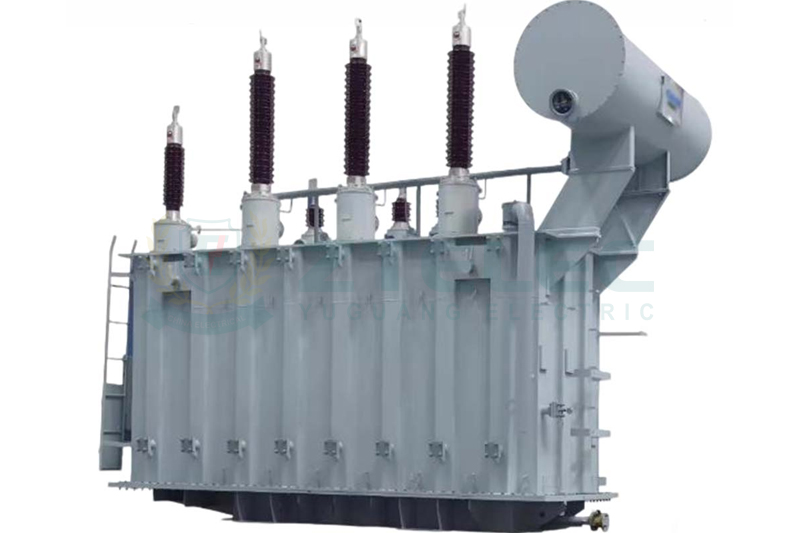
Durable 1250kVA 35kV Oil Immersed Power Transformer for Distribution | Specifications & Applications
The 1250kVA 35kV oil immersed power transformer is an essential device in modern industrial power distribution systems and electrical grid infrastructure. Its primary function is to convert high-voltage electricity from a 35kV transmission network ……
-

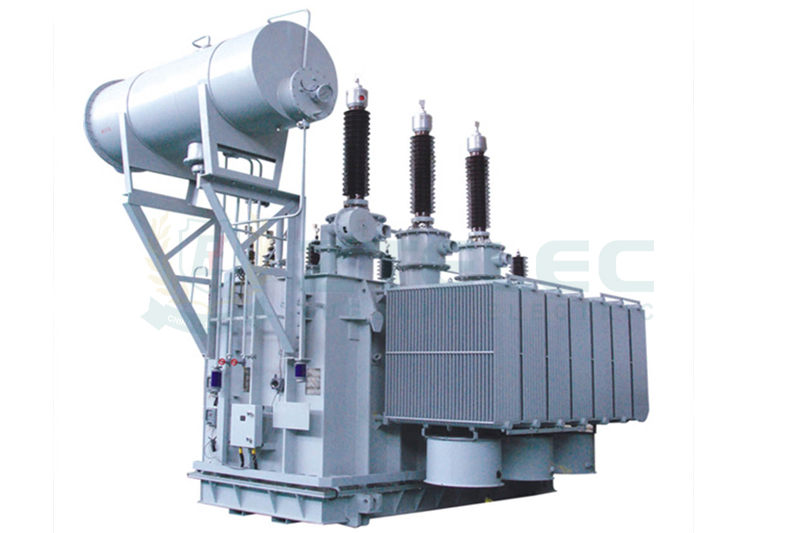
Efficient 5000kVA Oil Transformer for Power Distribution | Energy-Saving Solutions
In modern power systems, the stability and efficiency of power distribution equipment directly affect industrial production, commercial facilities, and infrastructure development. With global demand increasing for energy efficiency and reliable ele……
-

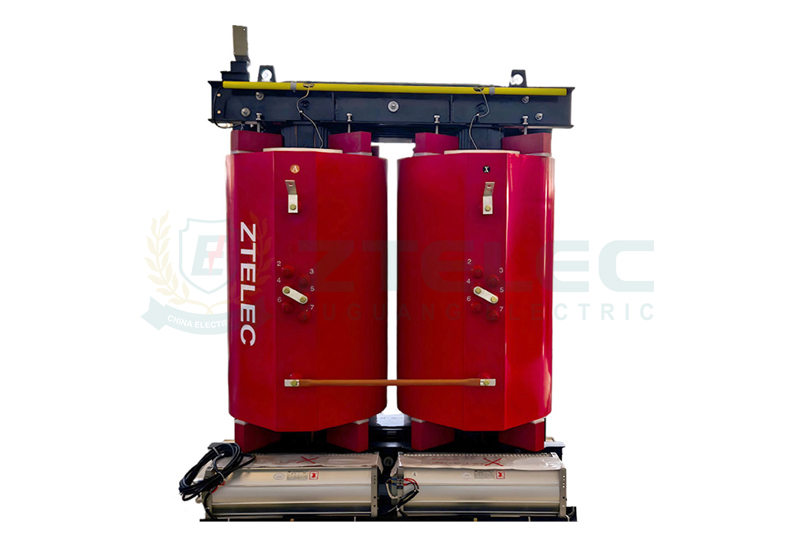
550kVA Dry-Type Transformer Price and Specifications | ZTelec
The 550kVA dry-type transformer is widely used in industrial power distribution systems, commercial buildings, and renewable energy projects due to its high safety, energy efficiency, and low maintenance requirements. As a medium-capacity distribut……
-

IEC & CE Certified 3500kVA Dry-Type Transformer | Reliable Global Export Solution
As global demand for safe and efficient power distribution continues to grow, the 3500kVA dry-type transformer has become a preferred choice for industrial, commercial, and infrastructure projects. With its oil-free design, high fire resistance, an……
-

1250kVA Oil-Immersed Transformer: Specifications, Dimensions & Applications
The 1250kVA oil-immersed transformer is a popular choice for industrial and commercial power systems. It offers a practical balance between power capacity, size, and cost, making it suitable for many medium to large-scale projects. If your project ……
-

New Requirements for Solar Duty Transformer: Sizing Accuracy, Inverters, and E-Shield Design
With the rapid expansion of global photovoltaic (PV) installations, solar power systems are evolving toward higher power density, greater integration, and improved reliability. As a core component in PV systems, solar duty transformers are now requ……
-

ZTELEC Officially Resumes Operations
February 24, 2026 — ZTELEC has officially resumed full operations, starting the new year with renewed energy and clear goals. As the team returns, the workplace is filled with optimism and motivation. Employees are ready to move forward together, f……
-

Starting Power Transformers in Cold Temperatures: What Utilities Need to Know
In high-altitude and extremely cold regions, winter construction projects, and high-latitude countries such as Russia, Northern Europe, Central Asia, and parts of North America, starting power transformers in low-temperature environments is a criti……
-

Maintaining Dry-Type Transformers: Why Proper Cleaning Matters
Dry-type transformers are widely used in industrial power distribution systems, commercial buildings, renewable energy projects, and rail transportation due to their high safety level, environmental friendliness, and low maintenance requirements. H……
-

2026 Spring Festival Greeting | ZTELEC
As time moves on and all things are renewed, on the occasion of the 2026 Lunar New Year, we extend our sincere festive greetings and best wishes to you across the globe! Over the past year, we have overcome geographical distances and worked hand i……
-

Understanding Cast-Resin Transformers: Encapsulated vs. Cast-Coil Designs
In modern power distribution systems, cast resin transformers are widely applied in commercial buildings, industrial facilities, renewable energy projects, and urban power networks. Their excellent fire resistance, strong environmental adaptability……